Direct Mail Marketing Benefits for Small Businesses
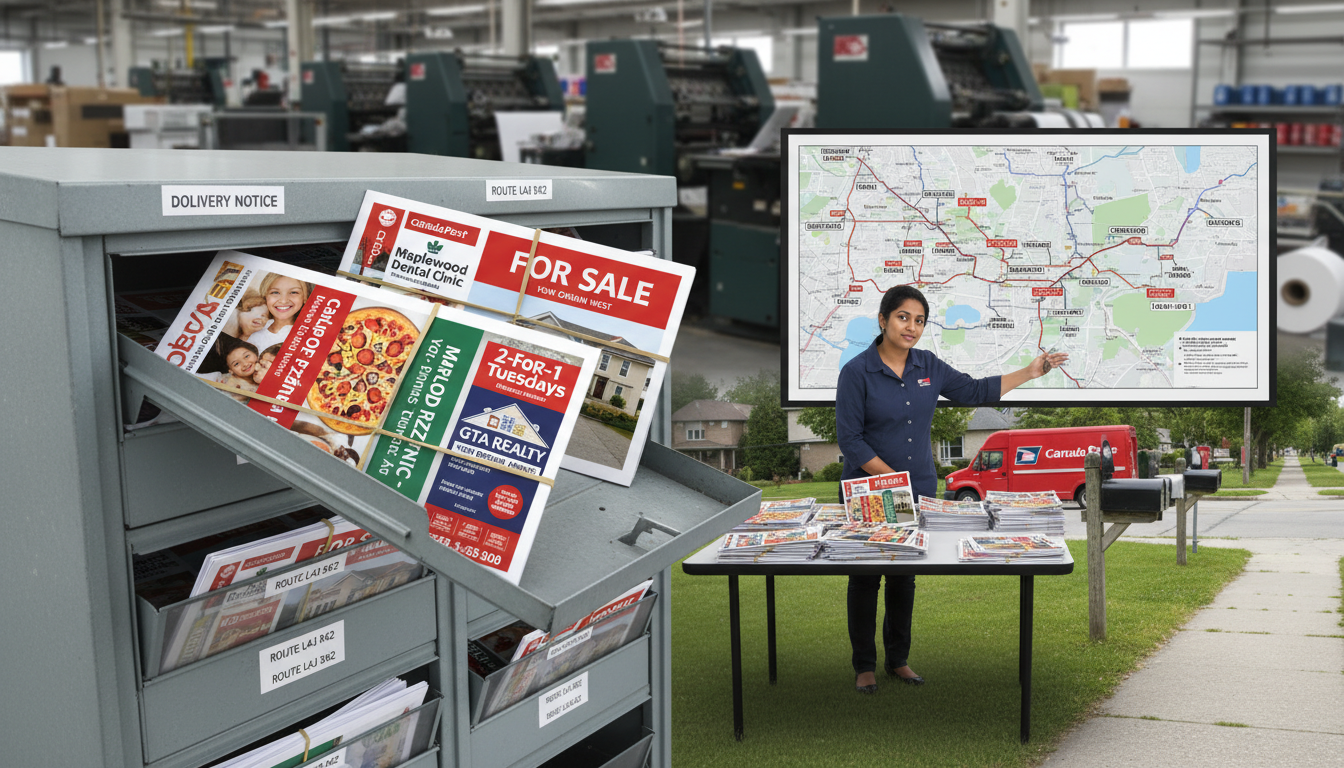
Direct mail marketing remains a powerful tool for small businesses aiming to connect with local customers. It offers a tangible way to reach households directly, cutting through the noise of digital clutter. When done right, direct mail can generate leads, increase brand awareness, and drive sales effectively. You might wonder if direct mail is still relevant in the digital age. The answer is yes. Many small businesses find that combining direct mail with their online efforts creates a balanced marketing strategy. Let’s explore how direct mail marketing benefits your business and how you can make the most of it. Why Direct Mail Marketing Benefits Your Business Direct mail marketing benefits small businesses by providing a personal touch that digital ads often lack. When you send a flyer or postcard, it lands in the hands of your potential customers. This physical presence can build trust and encourage action. Here are some key benefits: Targeted Reach: You can select specific neighborhoods or demographics to receive your mail. This precision helps you focus your budget on the most promising prospects. High Engagement: People tend to spend more time reading physical mail than digital ads. A well-designed flyer can capture attention and communicate your message clearly. Measurable Results: You can track responses through unique offers, promo codes, or dedicated phone numbers. This data helps you understand your return on investment. Brand Awareness: Regular mailings keep your business top of mind in your community. Over time, this builds recognition and loyalty. Less Competition: Many businesses rely solely on digital marketing. Direct mail offers a less crowded space to stand out. For example, a local HVAC company might send seasonal maintenance reminders to homeowners in their service area. This timely message can prompt calls and bookings, boosting revenue during slower months. How to Create an Effective Direct Mail Campaign Creating a successful direct mail campaign involves several steps. Each one ensures your message reaches the right people and motivates them to act. Define Your Goal Decide what you want to achieve. Are you promoting a new service, announcing a sale, or inviting customers to an event? Clear goals guide your design and messaging. Choose Your Audience Use demographic data and geographic targeting to select households that match your ideal customer profile. For example, a dental clinic might target families within a 5-mile radius. Design Your Mail Piece Keep your design simple and focused. Use bold headlines, clear images, and a strong call to action. Include your contact information and any special offers prominently. Select the Right Format Flyers, postcards, brochures, and catalogs all have different costs and impacts. Postcards are cost-effective and easy to read, while brochures allow for more detailed information. Plan Your Distribution Work with a reliable mailing service to ensure your materials reach the intended households. Consider timing your mailings around key dates or seasons relevant to your business. Track and Measure Include unique promo codes, phone numbers, or landing pages to monitor responses. Analyze the data to refine future campaigns. For instance, a restaurant could send a flyer with a limited-time discount code to nearby residents. Tracking how many customers use the code helps measure the campaign’s success. How much does it cost to do direct mail advertising? Understanding the costs involved in direct mail advertising helps you budget effectively. Costs vary depending on the size of your mailing list, the type of mail piece, printing quality, and postage. Here’s a breakdown of typical expenses: Design Costs: If you hire a professional designer, expect to pay between $100 and $500 depending on complexity. DIY design tools can reduce this cost. Printing Costs: Printing flyers or postcards can range from $0.10 to $1.00 per piece. Bulk orders usually lower the price per unit. Postage: Mailing costs depend on size, weight, and delivery method. Standard postcards might cost around $0.40 each, while larger envelopes cost more. Mailing Service Fees: If you use a distribution company, they may charge additional fees for sorting, addressing, and delivery coordination. For example, sending 1,000 postcards might cost approximately $600 to $1,200, including design, printing, and postage. While this is an investment, the potential return in new customers and sales often justifies the expense. To maximize your budget, focus on targeted mailing lists and high-impact designs. Avoid wasting resources on broad, untargeted campaigns. Tips for Maximizing Your Direct Mail Impact To get the best results from your direct mail efforts, consider these practical tips: Personalize Your Message Use the recipient’s name or reference local landmarks to create a connection. Personalized mail feels more relevant and increases response rates. Include a Clear Call to Action Tell recipients exactly what you want them to do next. Whether it’s calling for a quote, visiting your website, or redeeming a coupon, clarity drives action. Use High-Quality Materials A well-printed flyer on sturdy paper reflects positively on your brand. Avoid cheap materials that might be discarded quickly. Test Different Offers Try various promotions or messages in small batches to see what resonates best. Use this data to optimize future mailings. Follow Up Combine direct mail with phone calls, emails, or social media to reinforce your message. Multi-channel outreach increases the chance of conversion. Leverage Seasonal Timing Align your campaigns with holidays, local events, or seasonal needs. For example, a landscaping company might mail spring cleanup offers in early March. By applying these strategies, you increase the likelihood that your direct mail campaign will generate meaningful leads and sales. Why Choose Direct Mail Advertising for Small Business? When you want to reach local households effectively, direct mail advertising for small business offers a proven solution. It complements your digital marketing efforts and provides a physical reminder of your services. Direct mail allows you to: Target specific neighborhoods with precision Deliver a message that recipients can hold and review Stand out in a less crowded advertising space Track responses and measure success clearly For small businesses in industries like home services, healthcare, retail, and food, direct mail can be a cornerstone of your marketing strategy. It helps you build relationships within your community and drives consistent customer engagement. By partnering with a trusted distribution company, you ensure your flyers reach the right doors on time and in excellent condition. This reliability is key to maintaining a strong local presence. Taking the Next Step with Direct Mail Marketing Now that you understand the direct mail marketing benefits and how to implement a campaign, it’s time to take action. Start by defining your goals and selecting your target audience. Then, design a compelling mail piece that speaks directly to your customers’ needs. Remember to track your results and adjust your approach based on what works best. Direct mail is not a one-time effort but a continuous process of engagement and refinement. With consistent effort, you’ll see how direct mail can drive leads, increase brand awareness, and grow your business locally. Use this traditional marketing method alongside your digital channels to create a well-rounded strategy that delivers measurable results. Direct mail marketing is a practical, cost-effective way to connect with your community. Embrace it as part of your marketing mix and watch your business thrive.